Leading Insights on Assisted Living: Exactly How It Supports Wellness, Safety, and Social Interaction
Assisted living centers provide important assistance for locals, concentrating on health, security, and social involvement. Each resident gain from individualized care strategies that deal with their unique needs. Safety attributes are incorporated to improve day-to-day living. In addition, possibilities for social interaction are bountiful, promoting a feeling of neighborhood. This alternative approach increases important questions concerning just how these elements contribute to overall well-being. What certain approaches are utilized to attain these goals?
Personalized Care Program Tailored to Individual Needs
In order to supply the highest possible quality of care, helped living facilities increasingly prioritize personalized care plans tailored to individual requirements - Assisted Living Charlotte. These plans are created through detailed evaluations including case histories, personal choices, and daily activities. By concentrating on each local's one-of-a-kind needs, centers assure that assistance is not just effective but also respectful of specific dignity. Regular examinations enable care strategies to adjust to changing health and wellness conditions and way of life preferences, fostering a feeling of ownership among citizens. Engaging locals in the planning process promotes autonomy and improves overall complete satisfaction. Eventually, customized care plans act as a foundation for meaningful connections, allowing caretakers to deliver targeted support while encouraging homeowners to grow within their area
Safety Features That Enhance Daily Living
Customized care plans not only address specific requirements however likewise match the safety features made to improve day-to-day living in assisted living centers. These attributes consist of emergency telephone call systems, which allow residents to mobilize help rapidly, and secure access factors, making certain a controlled environment. Non-slip floor covering and grab bars in bathrooms lower the danger of falls, promoting a much safer space. In addition, well-lit common locations and hallways improve exposure, preventing crashes during nighttime. Fire safety and security procedures, such as smoke alarm and lawn sprinkler, better secure residents. These security features work synergistically with individualized care, promoting self-reliance while ensuring a safe ambience for everyday activities. Inevitably, they add to the general well-being of locals, permitting a much more comfy living experience.
Opportunities for Social Interaction and Engagement
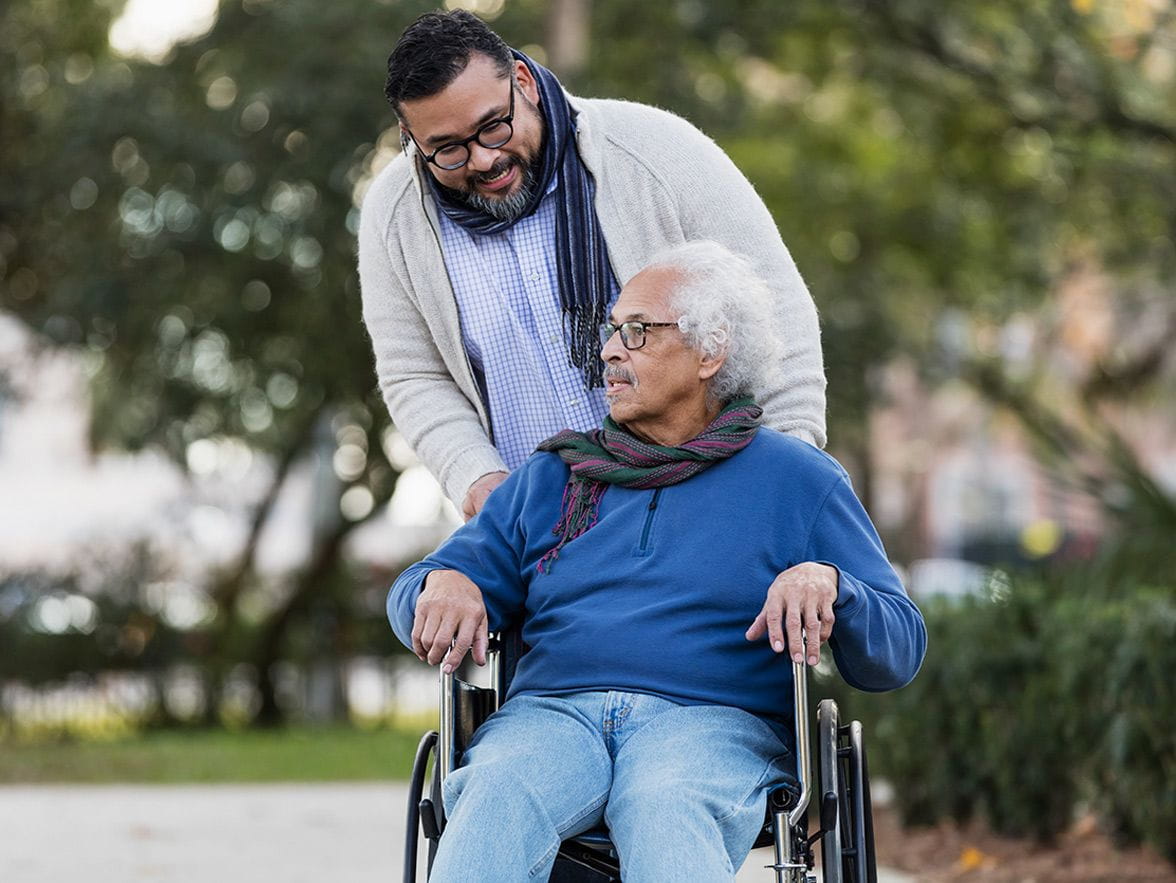
Many opportunities for social communication and involvement are crucial parts of nursing home, fostering a sense of community amongst homeowners. These centers often organize group tasks, such as video game nights, art courses, and discussion groups, which encourage homeowners to attach with each other. Shared dining experiences also play an essential duty, offering a communal ambience where relationships can prosper. Furthermore, numerous assisted living communities host get-togethers and trips, allowing residents to discover their interests with each other and bond over shared experiences. Modern technology might likewise facilitate communication, with virtual systems making it possible for homeowners to interact with family and close friends. Ultimately, these diverse chances enhance psychological well-being, battle feelings of seclusion, and promote a lively, engaged community.
Recreational Tasks That Promote Physical Wellness
While citizens of nursing home commonly look for social connections, participating in recreational tasks that promote physical health and wellness is similarly important. These tasks, customized to varying capabilities, urge activity and improve total well-being. Typical alternatives consist of group go to website exercises, such as yoga exercise or tai chi, which boost flexibility and equilibrium while promoting sociability. Walking clubs and dance sessions likewise give pleasurable ways to remain energetic and attach with others. Gardening activities not just advertise physical toughness yet also provide healing benefits. In addition, recreational sports, like bocce ball or shuffleboard, can promote pleasant competition and social interaction. By integrating such tasks right into day-to-day regimens, helped living homeowners can keep their physical health while delighting in the companionship of their peers.
Nutritional Assistance and Meal Preparation
Keeping physical wellness via recreational activities is only component of the alternative strategy to health in assisted living facilities. Nutritional support and meal preparation play a vital role in boosting residents' overall health. Facilities frequently employ registered dietitians to develop well balanced food selections that fulfill private dietary requirements, choices, and limitations. This individualized technique assurances that locals get necessary nutrients, promoting far better health outcomes. Assisted Living Charlotte. Meal preparation typically includes a range of foods, encouraging social communication during common eating experiences. In addition, these centers might offer cooking courses and nourishment workshops to boost homeowners' understanding of healthy and balanced eating methods. Inevitably, thorough nutritional assistance contributes considerably to the physical health of locals, fostering a healthier and extra satisfying lifestyle
Emotional Well-being and Mental Health Resources
Emotional well-being is crucial for citizens in assisted living facilities, as it directly influences their general lifestyle. To sustain this, many facilities use psychological health sources such as counseling solutions, support groups, and entertainment tasks that advertise social communication. Access to experienced experts, including psychologists and social workers, assists citizens browse sensations of anxiousness, loneliness, or depression. Programs customized for Website psychological interaction, such as art therapy and mindfulness workshops, motivate creative expression and self-discovery. Normal social occasions foster neighborhood connections, lowering feelings of seclusion. By addressing psychological and psychological health needs, aided living facilities add to an alternative strategy to care, making sure residents not just feel risk-free but also valued and linked within their community.
Often Asked Questions
Just How Is Assisted Living Various From Nursing Residences?
Helped living provides helpful solutions for people that need aid with everyday tasks, while nursing homes supply considerable treatment for those with significant health requirements. The settings and degrees of self-reliance vary considerably between the two alternatives.
What Are the Expenses Related To Aided Living Facilities?
Costs linked with assisted living facilities commonly vary from $2,000 to $5,000 month-to-month, relying on location, solutions offered, and private care demands. Additional expenditures might consist of individual items, transportation, and medication management.
Can Citizens Bring Their Own Furnishings and Items?
Yes, locals can usually bring their own furnishings and personal belongings to nursing home. This personalization aids create a reassuring setting, allowing individuals to maintain a sense of home and individuality within their new living space.

How Do Aided Living Facilities Handle Medical Emergencies?
Assisted living centers usually have trained team offered 24/7 to reply to medical emergencies. Assisted Living Charlotte. They collaborate with emergency situation solutions, guaranteeing homeowners obtain prompt clinical interest while preserving communication with families during important circumstances
Exist Any Kind Of Age Restrictions for Residents in Assisted Living?
Assisted living facilities offer necessary support for homeowners, focusing on health and wellness, safety and security, and social involvement. Various chances for social interaction and engagement are vital elements of assisted living facilities, cultivating a feeling of neighborhood among citizens. While citizens of assisted living facilities usually look for social links, engaging in recreational activities that promote physical health and wellness is equally necessary. Psychological well-being is necessary for residents in assisted living centers, as it straight influences their Recommended Reading overall high quality of life. Assisted living facilities usually do not impose strict age restrictions; nonetheless, most residents are elders, usually aged 55 and older.